#37 - Anthony Pierri
Anthony Pierri is the co-founder of Fletch, a positioning consultancy that has helped more than 500 B2B software companies get clearer on what they should be known for. He sees positioning less as a messaging exercise and more as a business decision, because once you choose the story you want to tell, you also choose what you are willing to leave behind. In this episode, he tells us all about the three positioning paths he sees most often: entering a mature category, building inside an emerging one, or trying to create a category of your own. From there, we talk about why each path leads to a different kind of content strategy, why homepage copy tends to expose whether the team is actually aligned, and why focusing on a smaller market can sometimes be the move that changes the whole business.
.jpg)
Hey all,
Quick question. What does Salesforce do? What does Stripe do?
Anthony Pierri, co-founder of FletchPMM, has asked this exact question to hundreds of founders. Every one of them has answered with simple, one-word responses: “CRM” or “payments.”
But…Salesforce and Stripe offer hundreds of other services!
%20(1).gif)
People can nail the one word answer for other companies, but when asked about themselves, it turns into “Let me tell you a story”.
Positioning is mission critical for a company. It dictates everything from marketing to product strategy to business model to content strategy.
But positioning is hard work. It takes discipline. It takes many different stakeholders making really tough decisions. As a result, most companies never stop to ask which category they're actually in, leading to wildly unfocused messaging downstream.
Here’s a simple framework Anthony shared with me to ease into the world of positioning and defining the category you are going to play in.
He breaks down categorization into three buckets:
Bucket #1: Mature Category
This bucket covers categories where most potential buyers have already used a version of it, or at minimum they understand what it does.
Think CRMs, phones, cars, and spreadsheets. If your company sits here, your content has one job: convince people you're better than the alternative they already know.
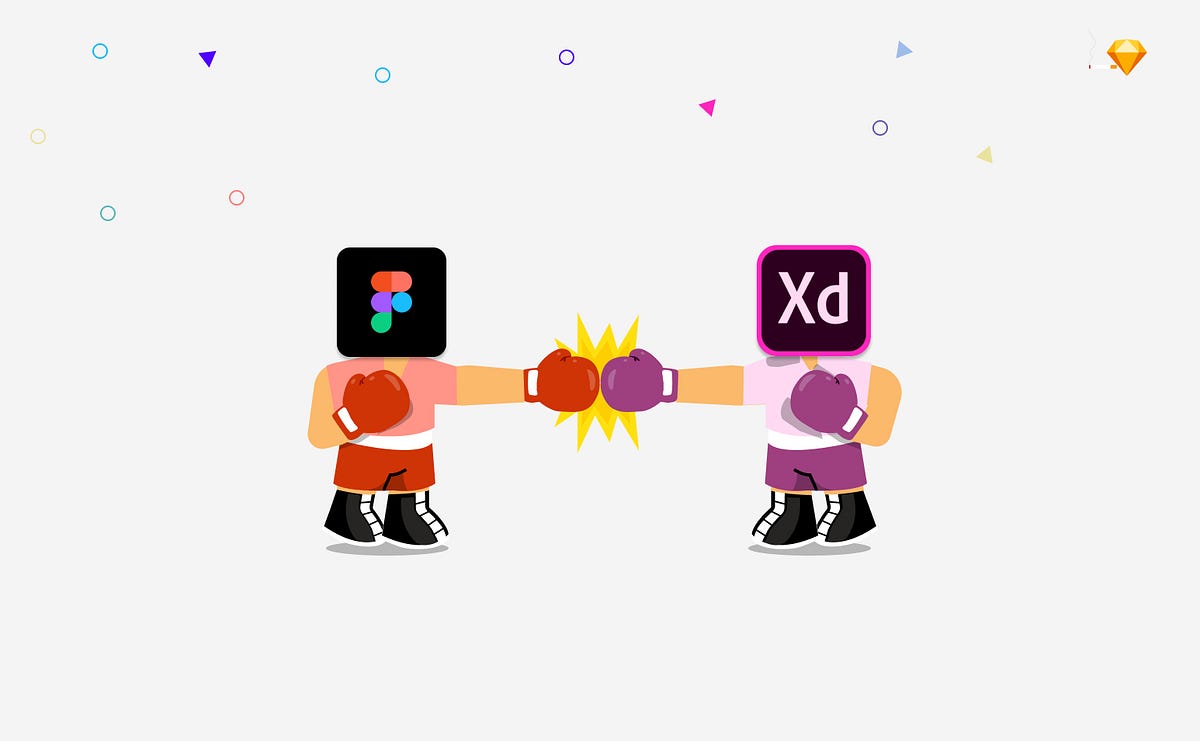
Anthony's example was Figma. When they launched, they entered as an interface design tool selling to UX designers, a category Adobe already owned. Figma's entire pitch was built around one question: why switch to us from the tool you already use? Their answer was real time collaboration, with multiple people editing the same file at once–something Adobe couldn't do. That single differentiator was enough to take a massive share of the market.
Bucket 2: Immature Category
This is the middle zone. There's momentum and some buzz building, but the category hasn't hit the mainstream. Most people have still never heard of it.
The content can’t be positioned as head to head with the competition, when there's no established competitor to compare against yet. You are convincing people the category itself deserves to exist.
Anthony's example was DocuSign. E-signature wasn't their invention, but in the early days most people were still printing, signing, and scanning documents by hand. DocuSign's marketing had to do the work of explaining why a digital signature was worth adopting at all before it could ever get to why DocuSign specifically.

Bucket 3: New Category
The creation of a new category is the riskiest of the three. You're simultaneously explaining why your version is better, why the product matters, and convincing people the category itself is real. The upside is enormous, because if you succeed, you define the terms everyone else has to use.
Vanta is a good example of this done well. Compliance work, like getting SOC 2 certified, had always existed. But it lived as a bundled service buried inside broader offerings. Nobody thought of it as its own standalone service. Anthony compared it to the rise of the air fryer, which we know is the same as the convection setting on an oven. Some genius repackaged and sold it as its own dedicated product. Vanta did the same with compliance, and a new category was born.
.webp)
Positioning is paramount
Positioning determines who you're competing against and what you should say to differentiate yourself.
No amount of good content will save you from poor positioning. Every time you publish something, you're making a promise to your audience about what they're going to get from you. If you can't say clearly what that is, your audience can't either.
.jpg)
.jpg)
.jpg)
%20(1).gif)
.gif)
.gif)
%20(1).gif)

